• A Market Exists But Nobody Works in It

    A Market Exists But Nobody Works in It

    CaseCraft claims they know the future. At least in one area—how small legal disputes in the UK will be resolved.

    Right now, they define “small” as civil cases with damages under €10,000, plus personal injury or housing disrepair cases under €1,000.

    Here’s the problem: these cases exist, but nobody handles them. Not because there’s no demand. Because the math doesn’t work.

    When people show up at law firms with these cases, they learn about legal fees and walk away. The potential compensation barely covers the costs. So neither clients nor law firms bother with these disputes.

    Enter AI Legal Services

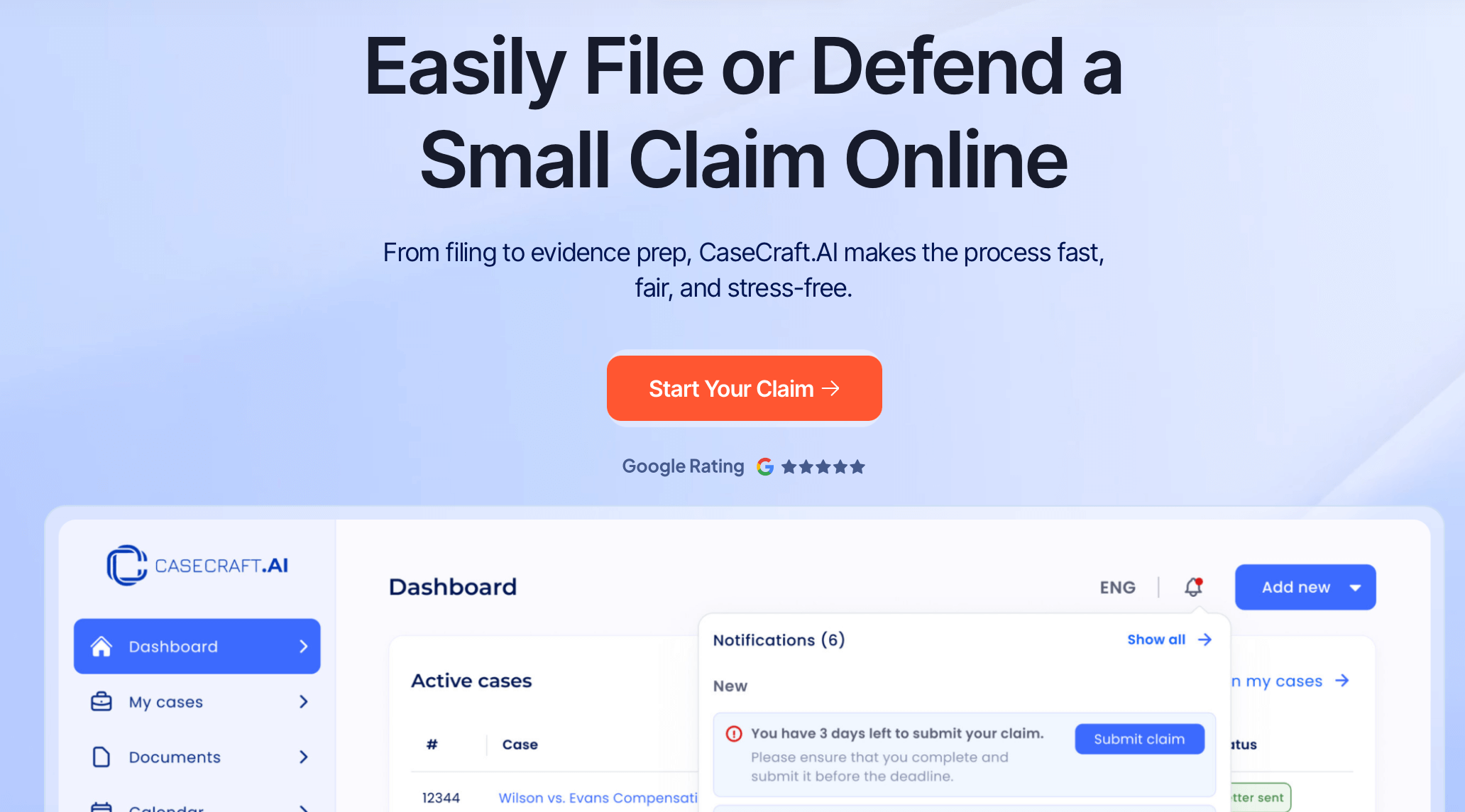
    CaseCraft built a platform around an AI trained specifically on these types of cases. Their pricing: £15 to file a claim plus 10% of any compensation you receive.

    The platform works for both filing claims and defending against them.
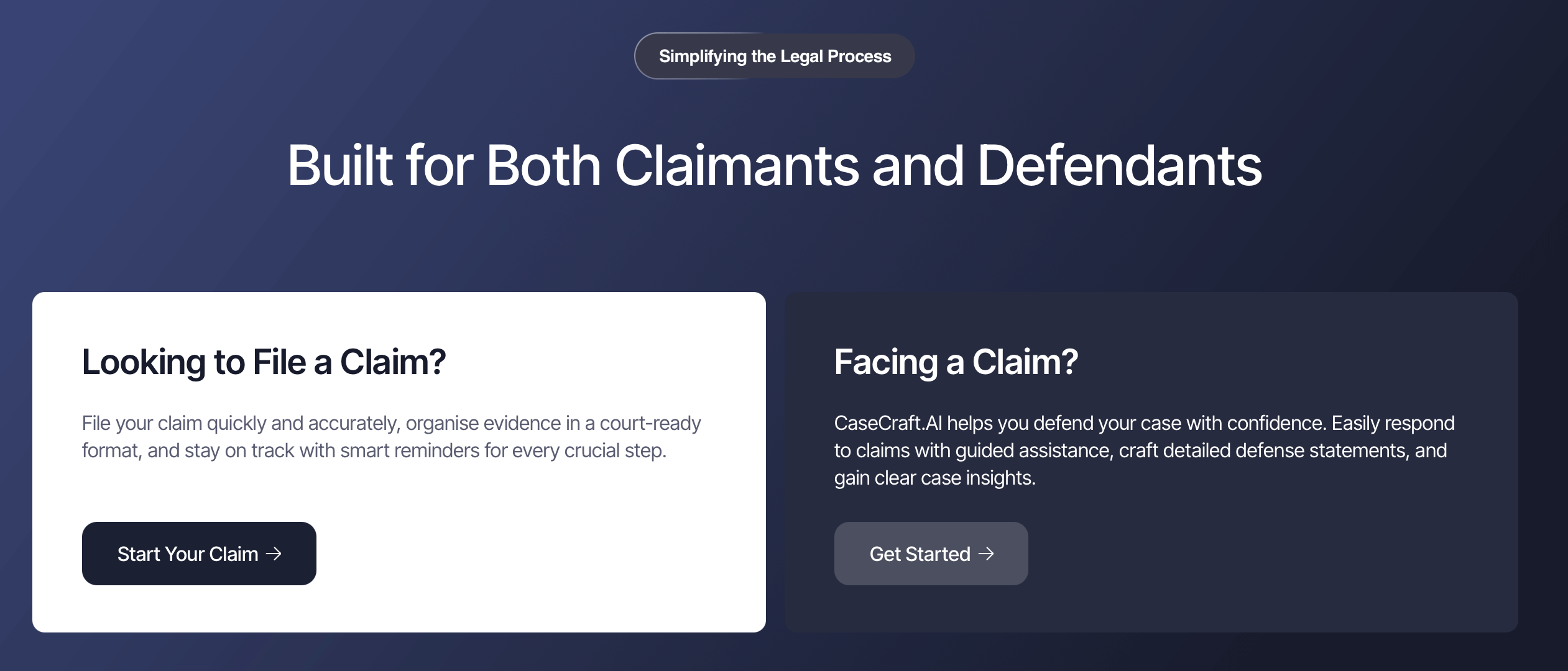
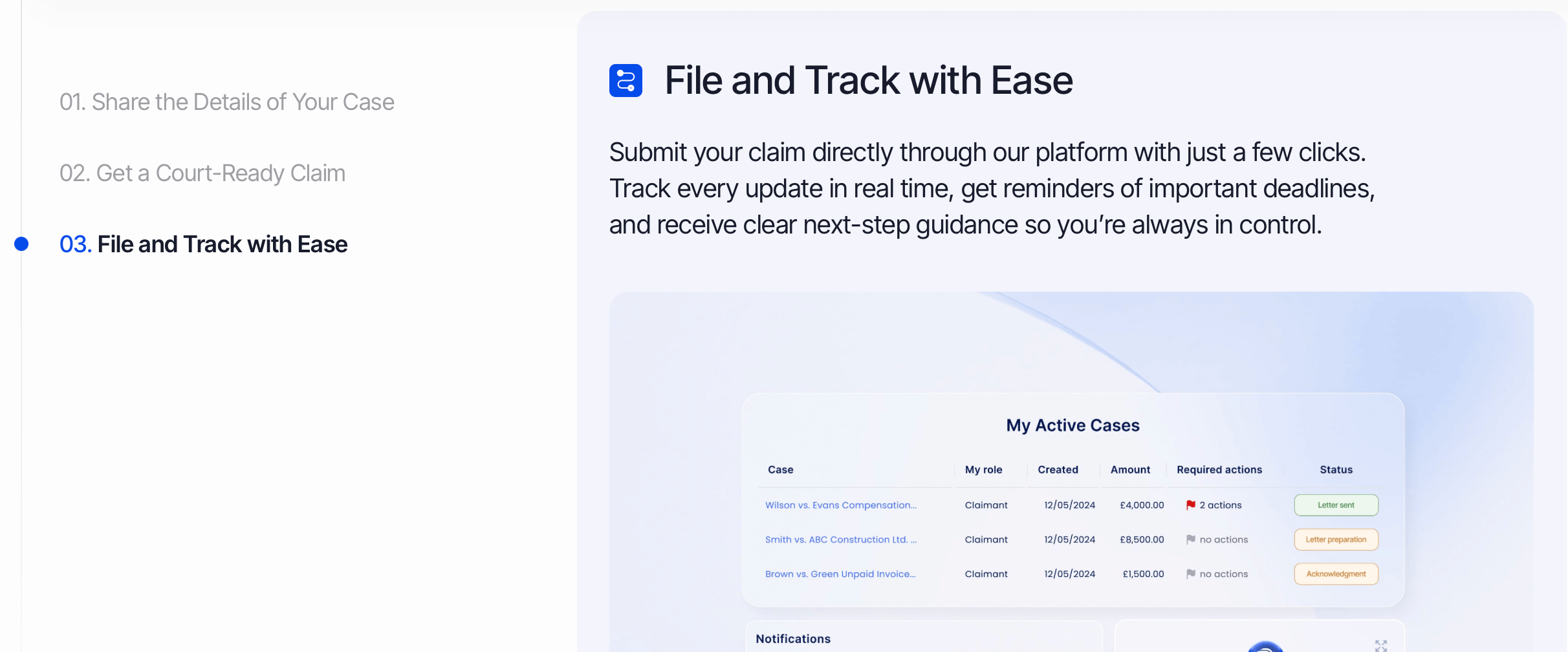
    The process is simple. Upload your documents to a personal dashboard. The AI analyzes everything and helps you write the necessary legal filings. Then it manages your calendar, reminding you about court appearances and document deadlines until the case concludes.

    CaseCraft currently runs a closed beta with 100 initial clients and operates entirely with freelancers—no full-time staff yet. Despite this minimal setup, they’ve raised £550,000 (roughly $742,000).
    The Origin Story That Actually Makes Sense

    The founders run their own law firm. The CaseCraft idea came from their daily experience—clients regularly approach them with these small disputes. But when these potential clients hear about legal fees, they walk away.

    The founders had a choice: keep turning away business, or figure out how to serve it profitably.

    Those first 100 beta clients? People who originally came to their law firm but got redirected to the AI platform instead.

    This is exactly the kind of 10-100x improvement that creates breakthrough AI startups. Something so much cheaper and simpler that it doesn’t just serve existing users better—it creates an entirely new market of users who couldn’t access the service before.

    The Legal AI Gold Rush

    This approach is catching fire across the legal industry. AI isn’t just improving existing legal services—it’s creating entirely new categories of legal help.

    Valla (also British) raised £2 million in June for an AI platform focused on employee rights protection. Same concept—use AI to make legal help accessible where it wasn’t before.

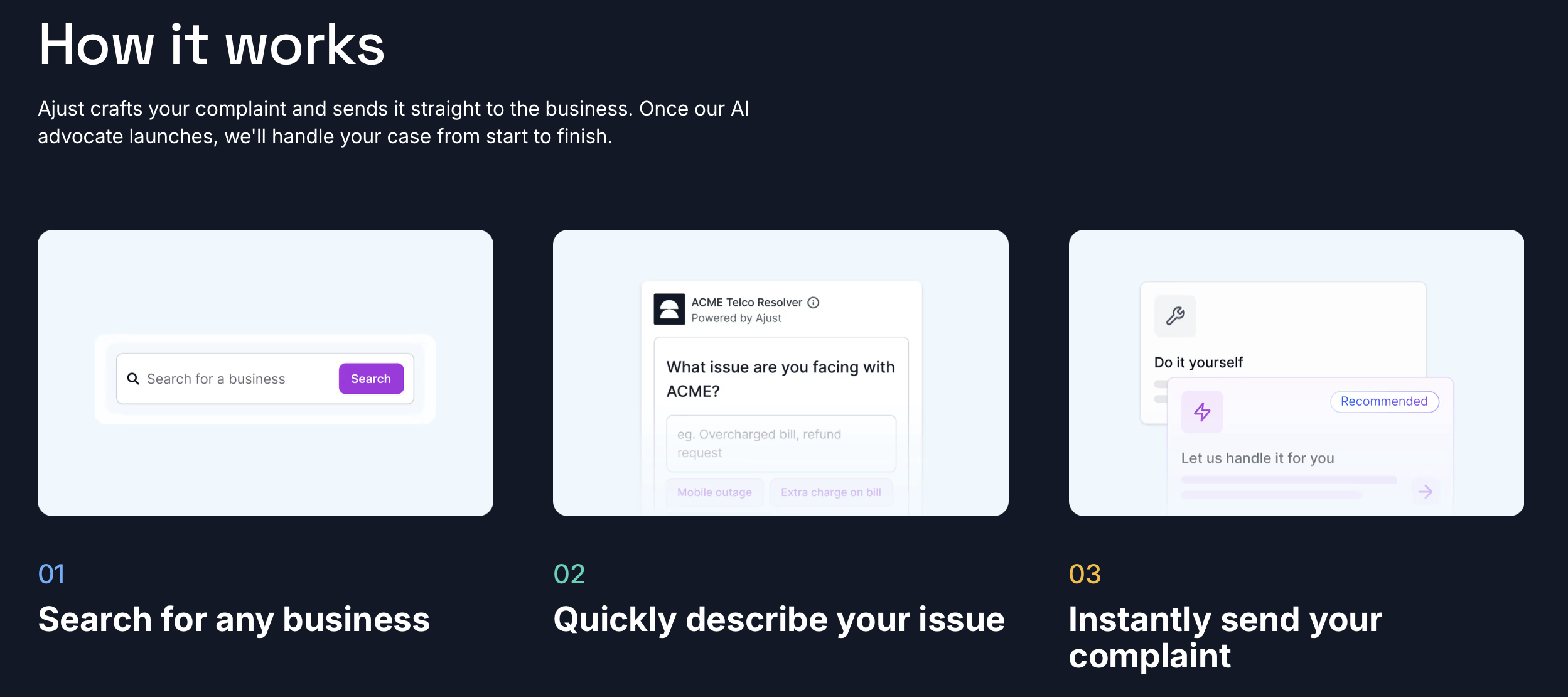
    Ajust (Australian) pulled in $2 million for an AI platform that handles consumer complaints. Flight delays, lost luggage, fraudulent stores, poor service from telecoms—all the complaints people usually don’t bother filing because the process is too complicated.
    Aparti (American) built an AI platform for divorce filings. Handle the basic paperwork through AI, then bring in human lawyers only if things get complicated with property division or child custody—for separate fees.

    Pap! (American) raised $4.4 million in the most unexpected niche—an AI agent for getting price adjustment refunds from stores. When manufacturers announce price drops shortly after you buy something, you’re entitled to the difference. But nobody bothers claiming it.
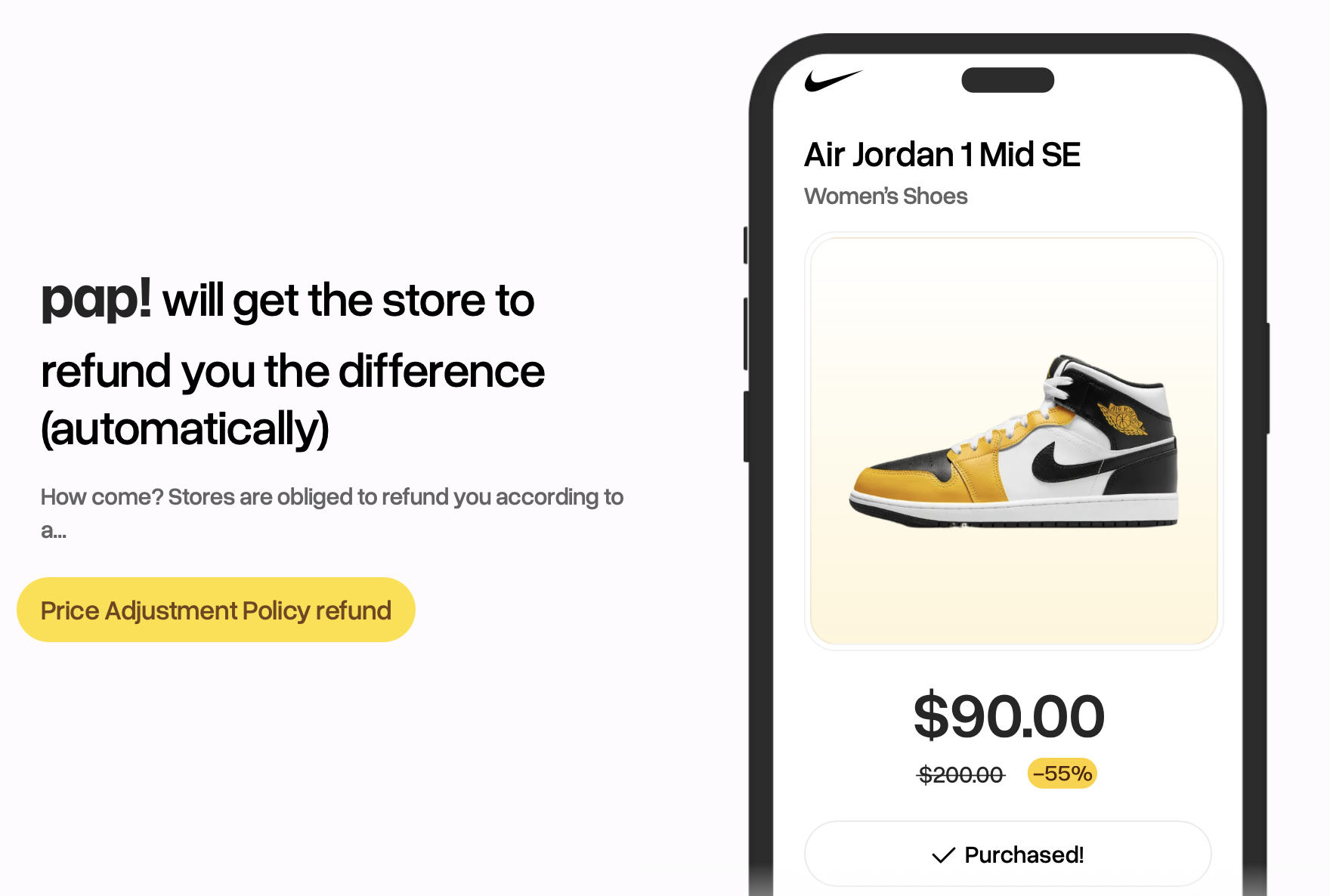
    Pap!’s AI monitors your email receipts, tracks manufacturer price announcements, and automatically files refund requests. If money comes back, they take 20% commission.


    The Pattern Hidden in Plain Sight

    These aren’t companies improving existing services. They’re creating services in markets where services didn’t exist because the unit economics were impossible.

    Small legal claims. Employee rights disputes. Consumer complaints. Divorce paperwork. Price adjustment refunds.

    All markets with real demand and zero practical supply.

    The AI doesn’t have to be better than lawyers. It just has to be cheap enough to make the math work for cases lawyers won’t touch.

    The Opportunity

    While everyone builds AI to compete in existing markets, there’s a different strategy: find markets that don’t exist because they’re too expensive or complicated to serve.

    That disconnect is where AI opportunities hide.

    The goal isn’t to serve existing customers better. It’s to serve people who aren’t customers at all because no viable solution exists.

    Look for situations where:

    • Real demand exists but goes unserved
    • Current solutions are too expensive or complex for the market size
    • People regularly get turned away because “it’s not worth it”
    • The process could theoretically be automated but hasn’t been

    These are markets waiting for 10-100x cost reduction through AI.

    Company Details:

  • It’s More Profitable to Resolve Than Improve

    It’s More Profitable to Resolve Than Improve

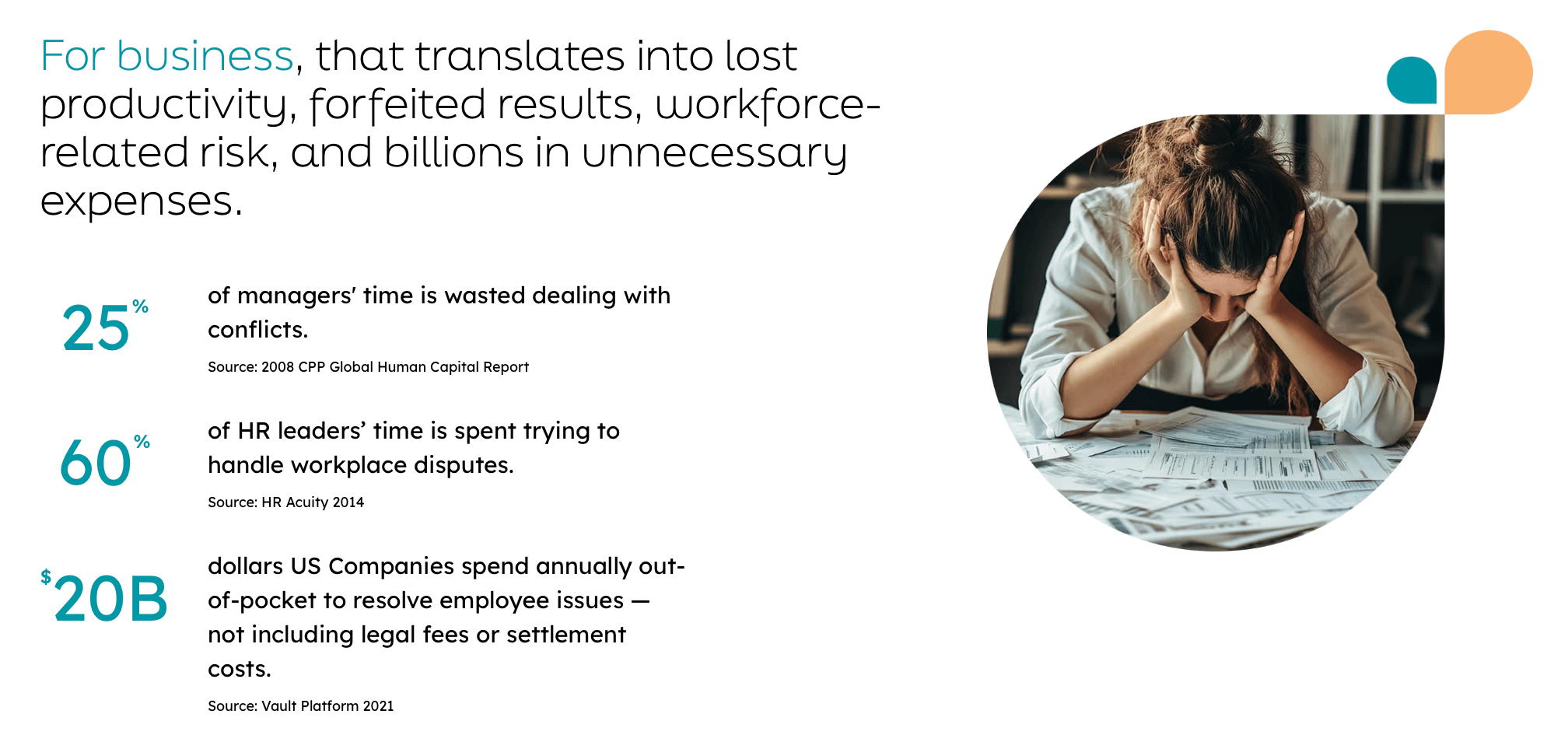
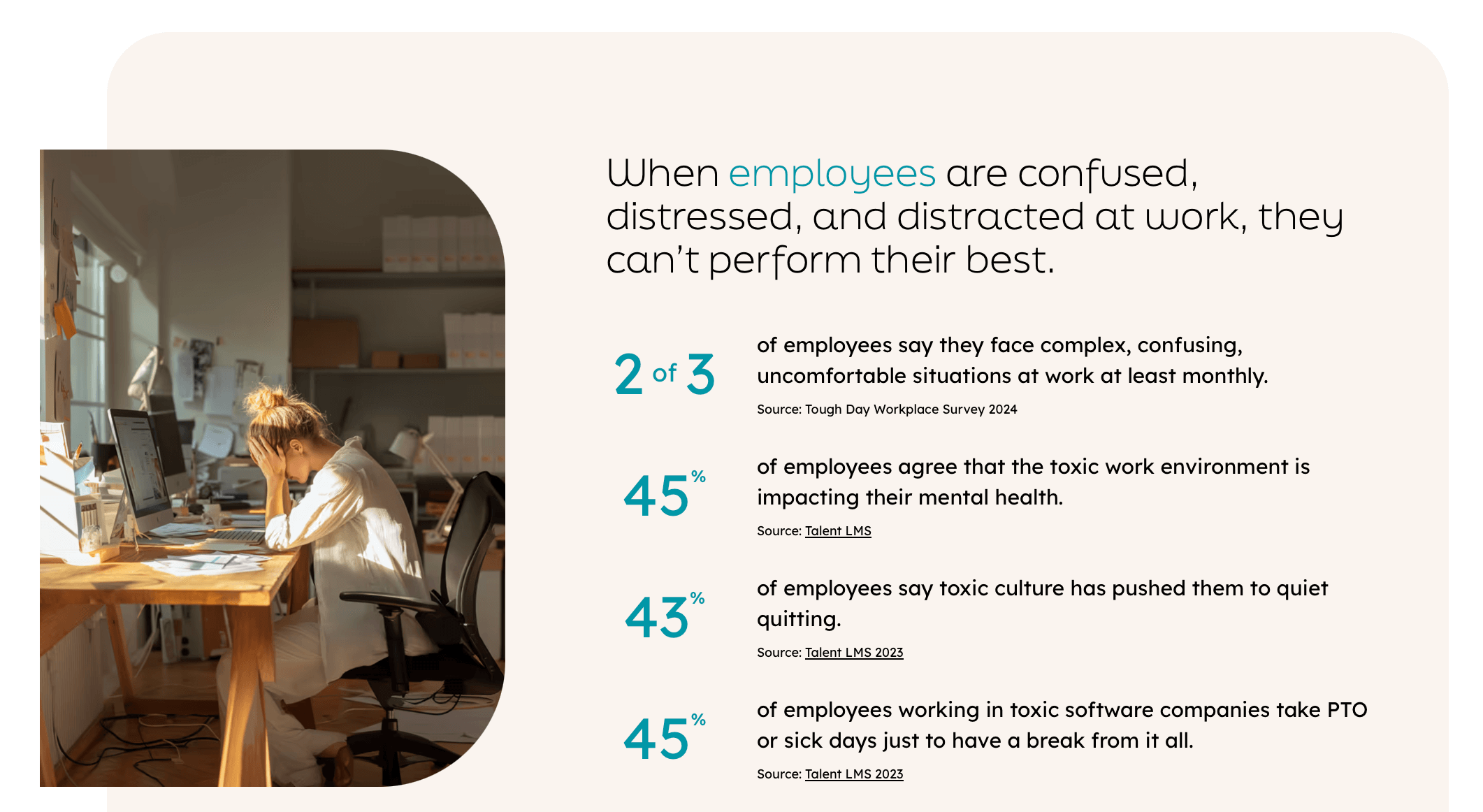
    More than 60% of employees get discouraged or frustrated by their bosses or coworkers at least once a month. Nearly half say it affects their mental health. 43% consider quietly quitting because of it.

    The result? American companies spend $20 billion annually on direct workplace conflict resolution. That’s just the obvious stuff—not counting legal fees, settlements, or all the conflicts that never surface but still kill productivity.

    25% of managers and 60% of HR staff deal with putting out fires instead of doing actual work. This is expensive. And it’s everywhere.

    Enter the AI Therapist

    A startup called Toughday raised $1.1 million to solve this with an AI assistant named Tuffy. But here’s what makes it different from every other workplace AI tool – Tuffy doesn’t help managers manage better. It helps employees navigate workplace drama before it becomes manager problems.

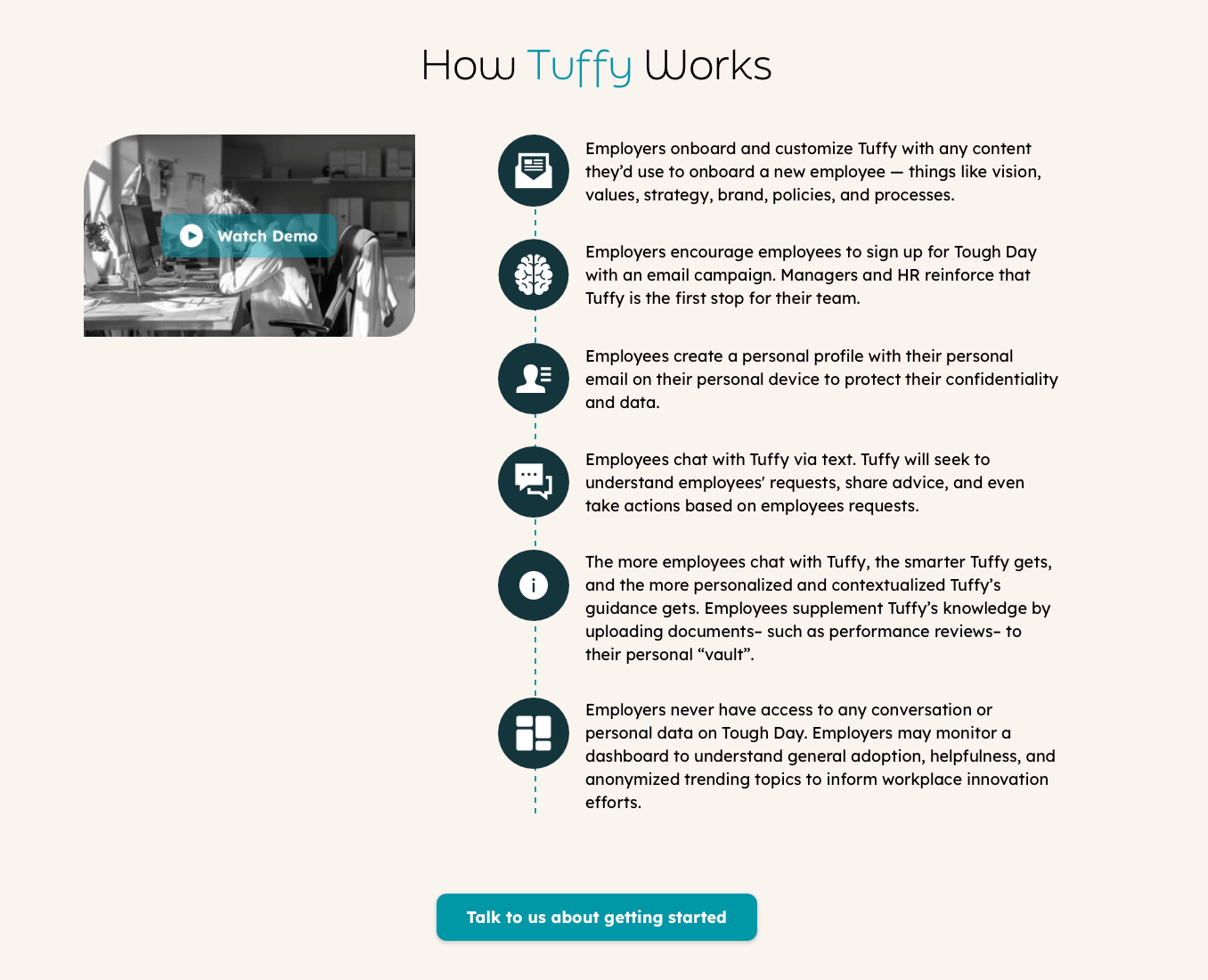
    Employees chat with Tuffy directly. They ask questions about company policy, get advice on difficult situations, even upload performance reviews so the AI understands their context better. Managers and HR never see these conversations—just anonymous trend data.

    New employees connect to Tuffy, which starts by explaining the company’s strategy, policies, and established procedures through regular communications. Then employees can ask Tuffy any questions about internal policies, procedures, or even request advice on how to handle specific situations.

    With each interaction, Tuffy better understands each employee’s character and needs. Employees can upload documents like performance reviews to their personal “vault” so the AI assistant better understands their current situation.

    Here’s the crucial part: managers and HR never see employee conversations with Tuffy. The platform only provides them with anonymized trending topics from these chats, so managers can monitor the overall company situation as employees see it.

    The numbers are striking: 99.6% of users find Tuffy helpful. 88% use it at least monthly. Average employee uses it 14 times per month, spending about an hour total getting help.

    Why this works

    Think about the last time you had a workplace conflict. Maybe your boss took credit for your work. Maybe a colleague threw you under the bus in a meeting. Maybe you got passed over for a promotion you deserved.

    What did you do? Probably nothing productive. You complained to your spouse, vented to friends, or quietly started updating your resume. What you didn’t do was march into HR or schedule a difficult conversation with your manager. Most people hate confrontation and don’t know how to handle these situations effectively.

    Tuffy fills that gap. It’s like having a workplace therapist available 24/7, except one that actually understands your company’s policies and culture.

    The Bigger Pattern

    This isn’t just about workplace drama. There’s a clear trend emerging around AI psychologists designed to resolve problems rather than improve good situations.

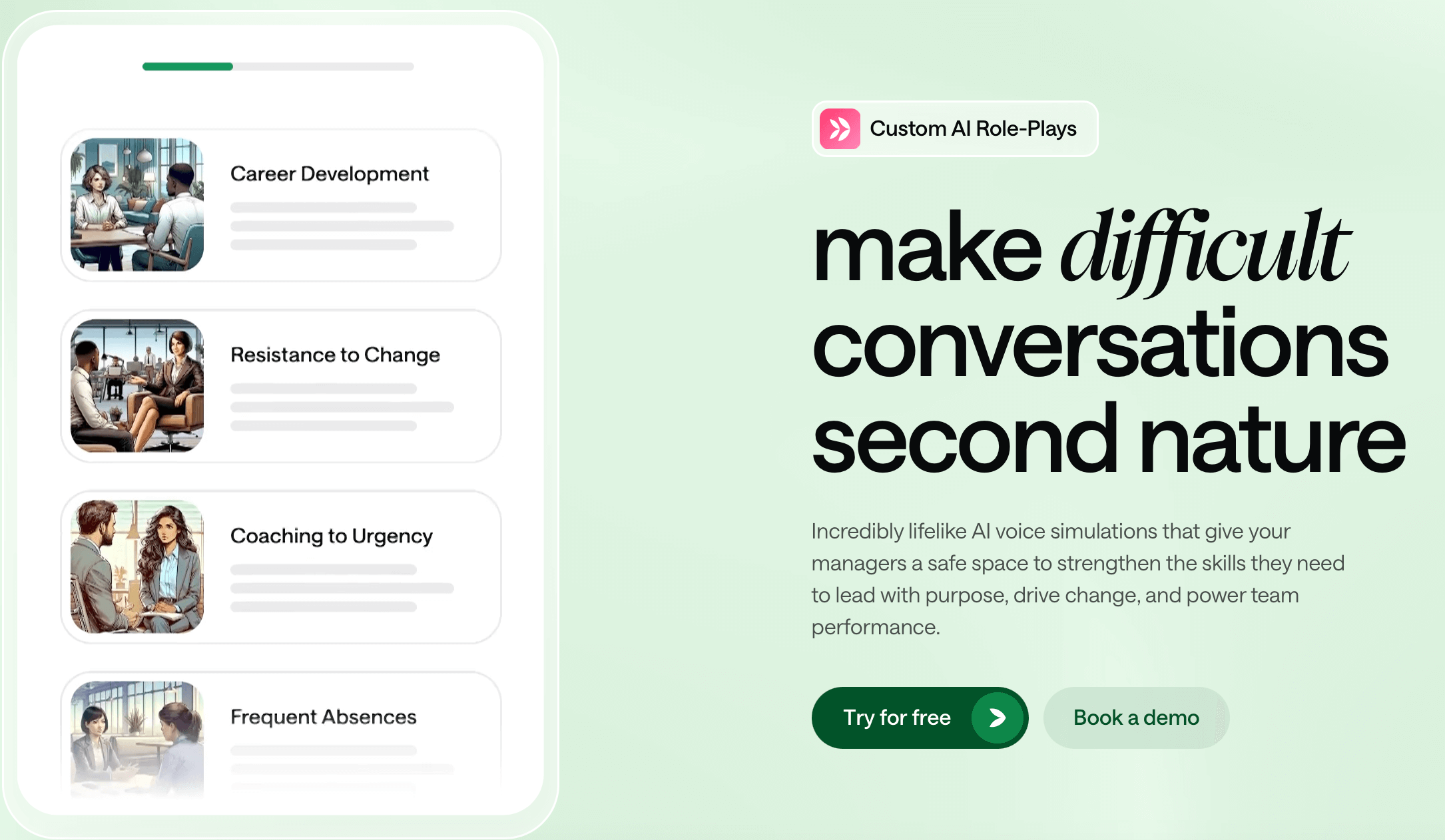
    Tenor raised $5.4 million in their first round to build a leadership development platform. But here’s the twist: instead of generic leadership training, they focus specifically on teaching future leaders how to resolve workplace conflicts and handle difficult conversations with employees. Their AI creates simulated complex situations and forces users to work through them, then provides detailed feedback on how they handled the conflict.

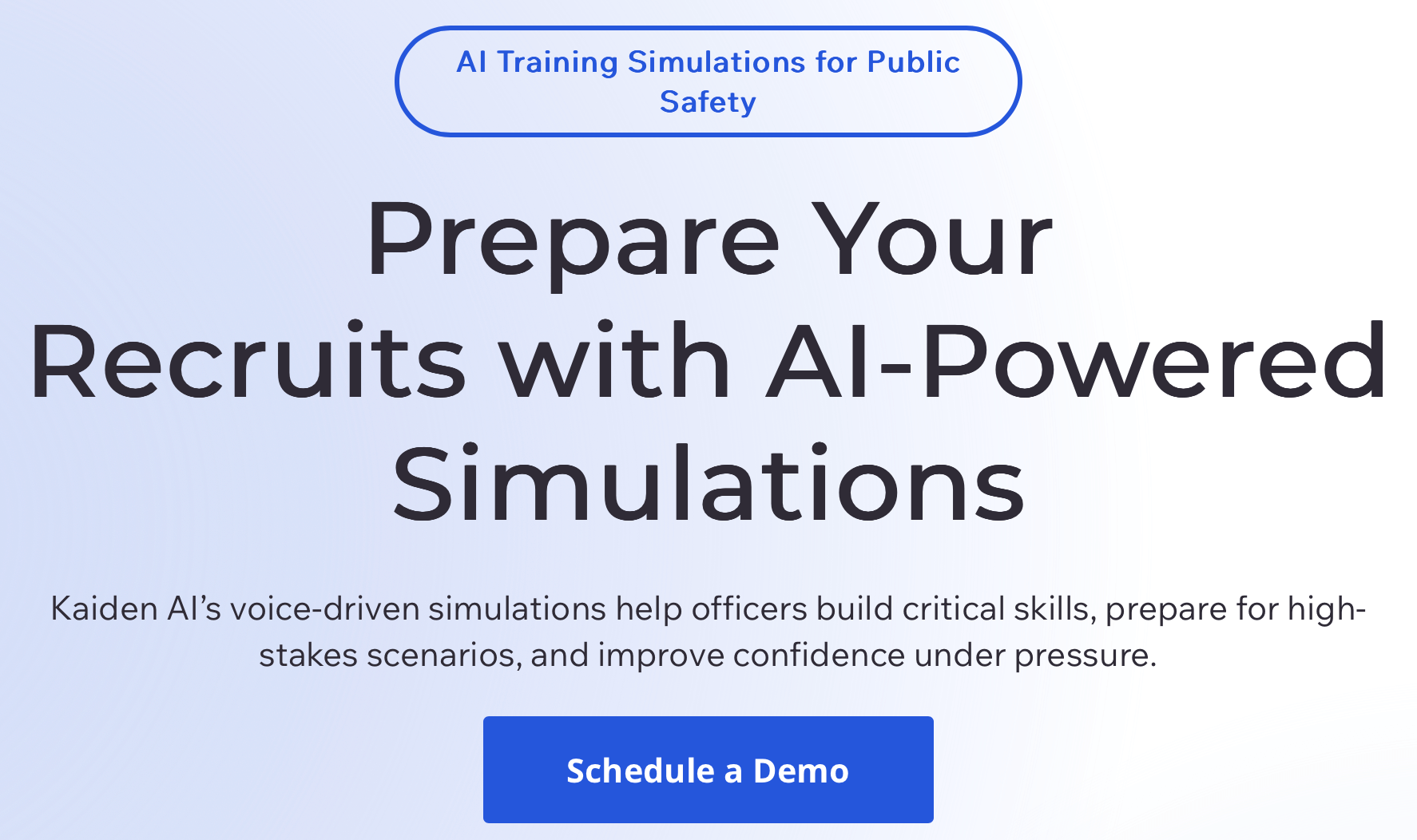
    Kaiden AI pulled in $1 million for something completely different but following the same pattern—an AI simulator for emergency services. It teaches emergency responders how to properly communicate with people calling for help in crisis situations. Same concept: using AI to practice handling high-stress, high-stakes human conflicts before they happen in real life.

    Maia came out of Y Combinator as an AI psychologist specifically for couples. Its main job? Resolving misunderstandings and conflicts in family relationships. Not helping happy couples become happier, but helping struggling couples work through actual problems that could destroy their relationships.

    Rosebud raised $6 million in their first round for a personal AI mentor that helps people analyze negative feelings and experiences to understand their root causes and take action to eliminate them. The app helps users work through personal problems, many of which inevitably relate to work since work makes up such a significant part of most people’s lives.

    Notice the pattern? Every single one focuses on resolving existing problems, not creating aspirational improvements.

    The Opportunity

    While everyone builds AI coaches for ambitious people who want to optimize their lives, the bigger market is frustrated people who need help dealing with reality. These aren’t aspirational problems. They’re real problems that cause actual pain and cost real money to resolve.

    The insight: Satisfied people rarely need new solutions. Frustrated people desperately want them.

    Companies already spend billions trying to resolve these issues after they explode. The smart play is building AI that helps people resolve them before they explode. This is especially true for workplace issues, where companies have clear financial incentives to pay for anything that keeps employees productive and reduces management overhead.

    Think about it from a business perspective:

    • Companies already budget for conflict resolution
    • The cost of employee turnover is measurable and massive
    • Managers and HR teams are overwhelmed and expensive
    • Prevention is cheaper than crisis management
    • ROI is easy to calculate and demonstrate


    Plus, workplace conflicts follow predictable patterns. Same types of personalities, same kinds of situations, same underlying dynamics. Perfect for AI training. Unlike personal therapy or relationship counseling, workplace issues happen within defined systems with documented policies and procedures. The AI has a structure to work within.

    Your Move

    The next time you see someone building an AI life coach or productivity optimizer, ask yourself: who’s the target customer? Someone who’s already doing well and wants to do slightly better? That’s a tough sell.

    But someone dealing with a difficult boss, toxic coworkers, or workplace drama they don’t know how to navigate? They’ll pay $20 a month for help. The future isn’t in helping good situations become great. It’s in helping bad situations become manageable. While everyone else builds AI for people’s aspirations, build AI for their frustrations.

    Company Details:


  • Good Way to Break Into Big Offline Business

    Good Way to Break Into Big Offline Business

    Most people think AI is just for tech companies and knowledge workers.

    They’re wrong.

    While everyone’s obsessing over chatbots and productivity apps, the real opportunity is happening in the physical world. In construction sites, repair shops, and service businesses where people actually build and fix things.

    These industries have been operating the same way for decades. And they’re ripe for disruption.

    The Construction Problem Everyone Ignores

    75% of construction projects finish behind schedule. Not because workers are lazy or incompetent, but because nobody really knows what’s happening on job sites.

    Crews work across multiple locations, materials arrive at different times, and project managers try to track everything from offices miles away. The information flow is broken.

    Builders and foremen can’t spend their days writing detailed reports about what they’ve accomplished. Project teams can’t effectively track progress when the data they’re getting is incomplete or days old. Material deliveries get missed. Payments get delayed not out of malice, but because nobody knows what was actually delivered and completed.

    It’s a mess that costs billions in delays and overruns.

    Enter Dexter’s AI Agents

    A startup called Dexter decided to fix this with AI agents that work like new crew members—no training needed.

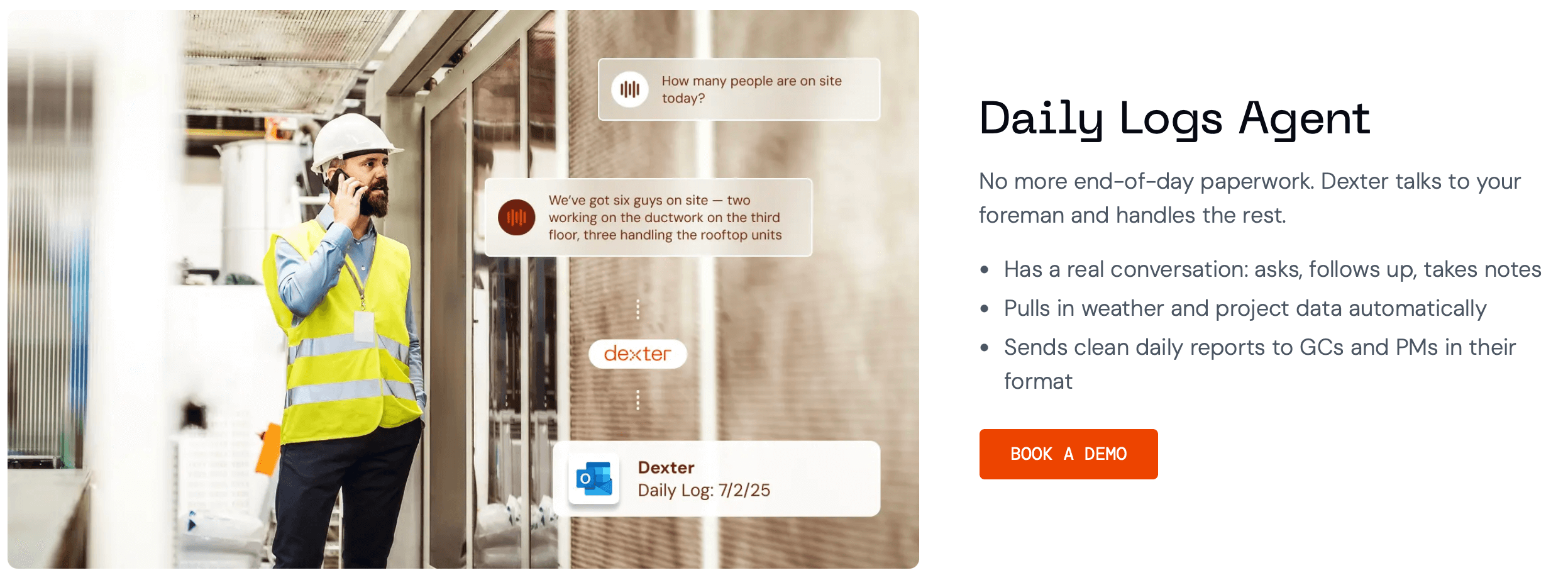
    Daily Logs Agent. Instead of end-of-day paperwork, foremen simply talk to Dexter’s voice AI. It has real conversations, asks follow-up questions, takes notes, and automatically pulls in weather and project data. Then it generates clean daily reports in the company’s format and sends them directly to general contractors and project managers.

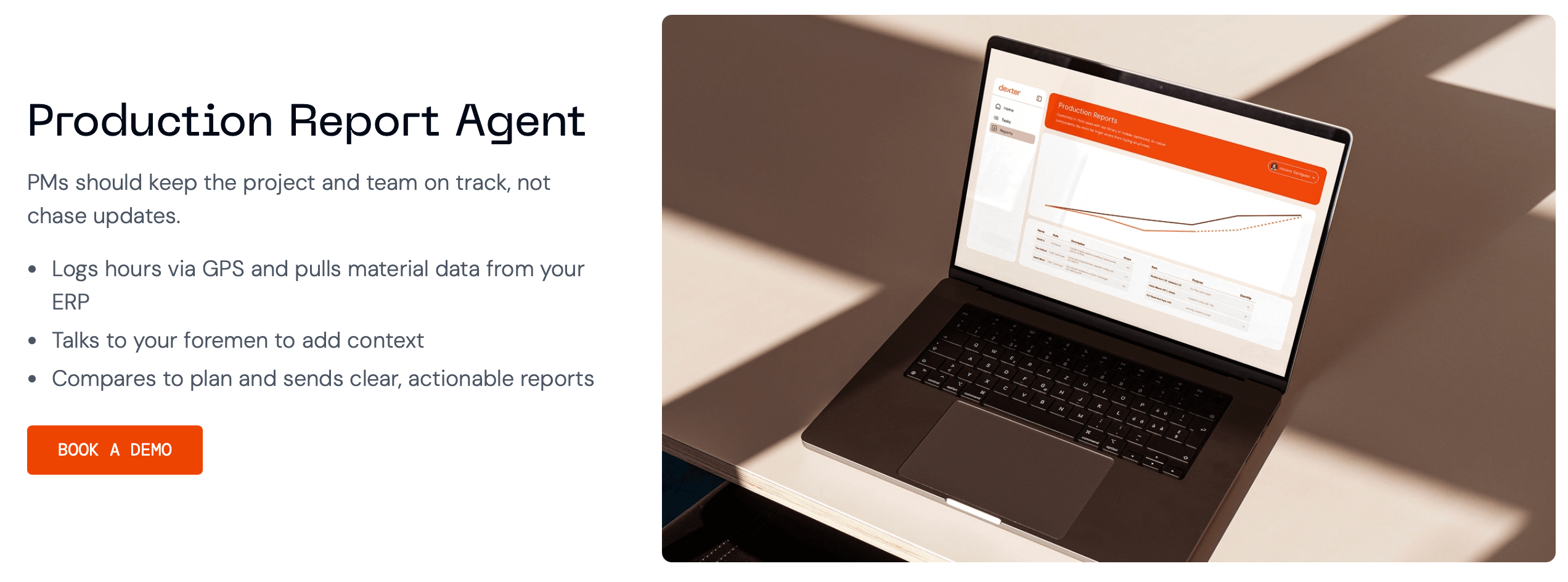
    Production Report Agent. This agent logs hours via GPS, pulls material data from ERP systems, and talks to foremen to add context. It compares everything against the project plan and sends clear, actionable reports so PMs can keep projects and teams on track without chasing updates.

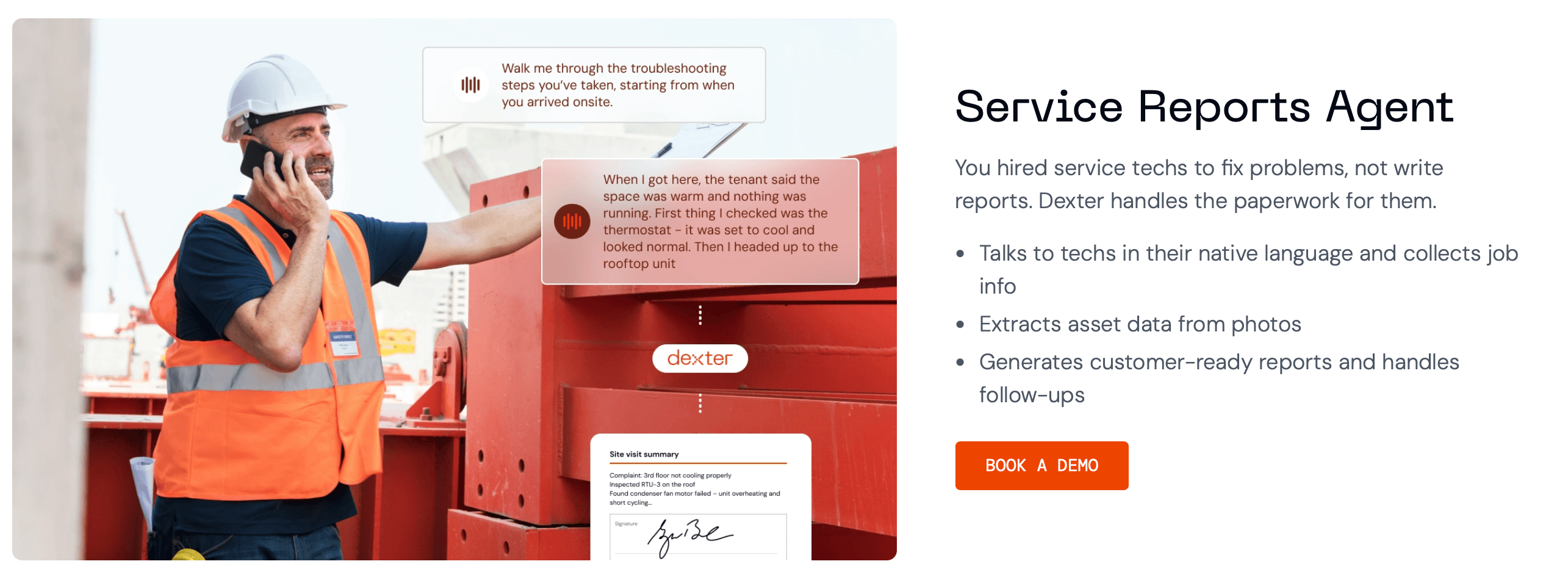
    Service Reports Agent. For service work, this voice agent collects all required job information from techs, including parts used and follow-ups needed. It extracts asset data from photos and generates complete reports ready for customer approval.

    The interesting part? Despite starting with mechanical contractors, the same approach works for any field operations business—equipment repair, maintenance, installations. Anywhere there’s a gap between field teams and back-office operations.

    The Bigger Pattern

    Dexter isn’t alone in this approach. There’s a clear trend emerging: using AI to capture better information about what’s happening in the physical world.

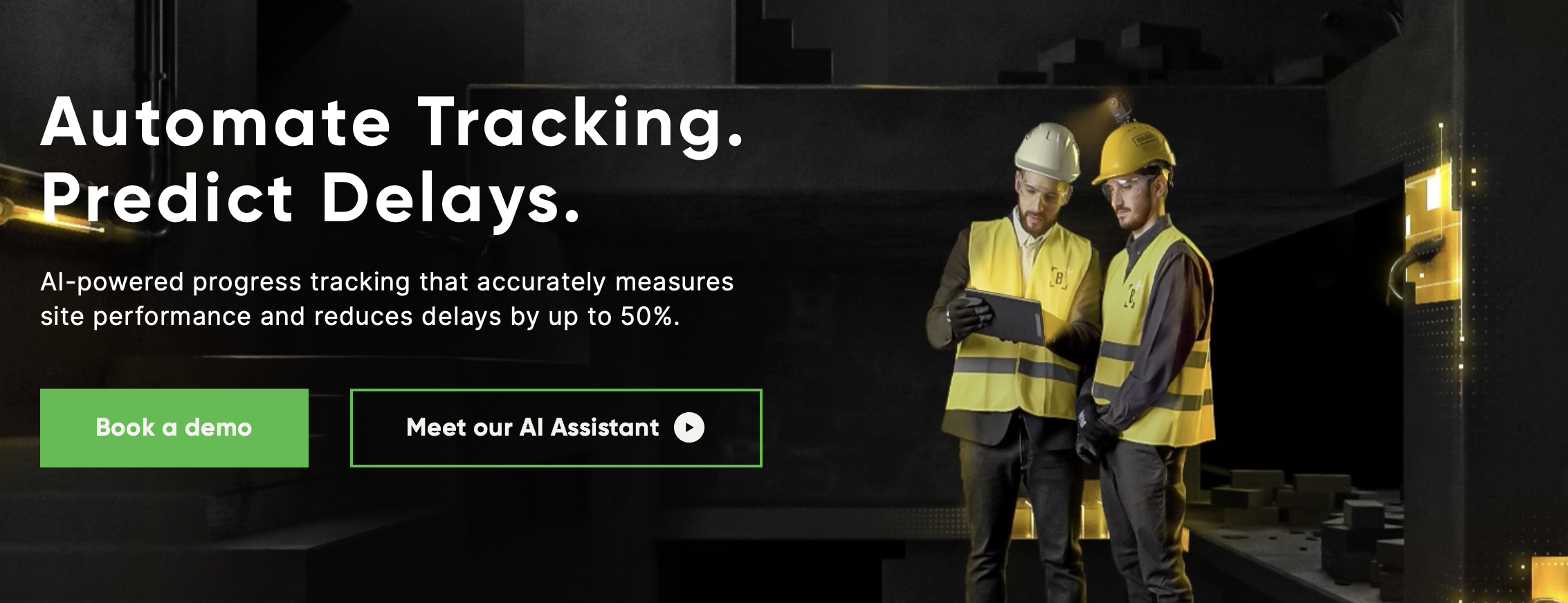
    Buildots raised $166 million (including $45 million in May) with a similar concept to Dexter. Their AI collects information about what’s happening on construction sites directly from workers and compares it against project plans to mark what’s been completed and signal what’s running behind schedule.

    The main difference? Instead of voice reports, Buildots’ AI analyzes footage from small cameras attached to workers’ hard hats. At the end of each workday, workers plug their cameras into computers so the AI can download and analyze the recordings. Same goal as Dexter—better field data collection—but through visual monitoring instead of conversations.

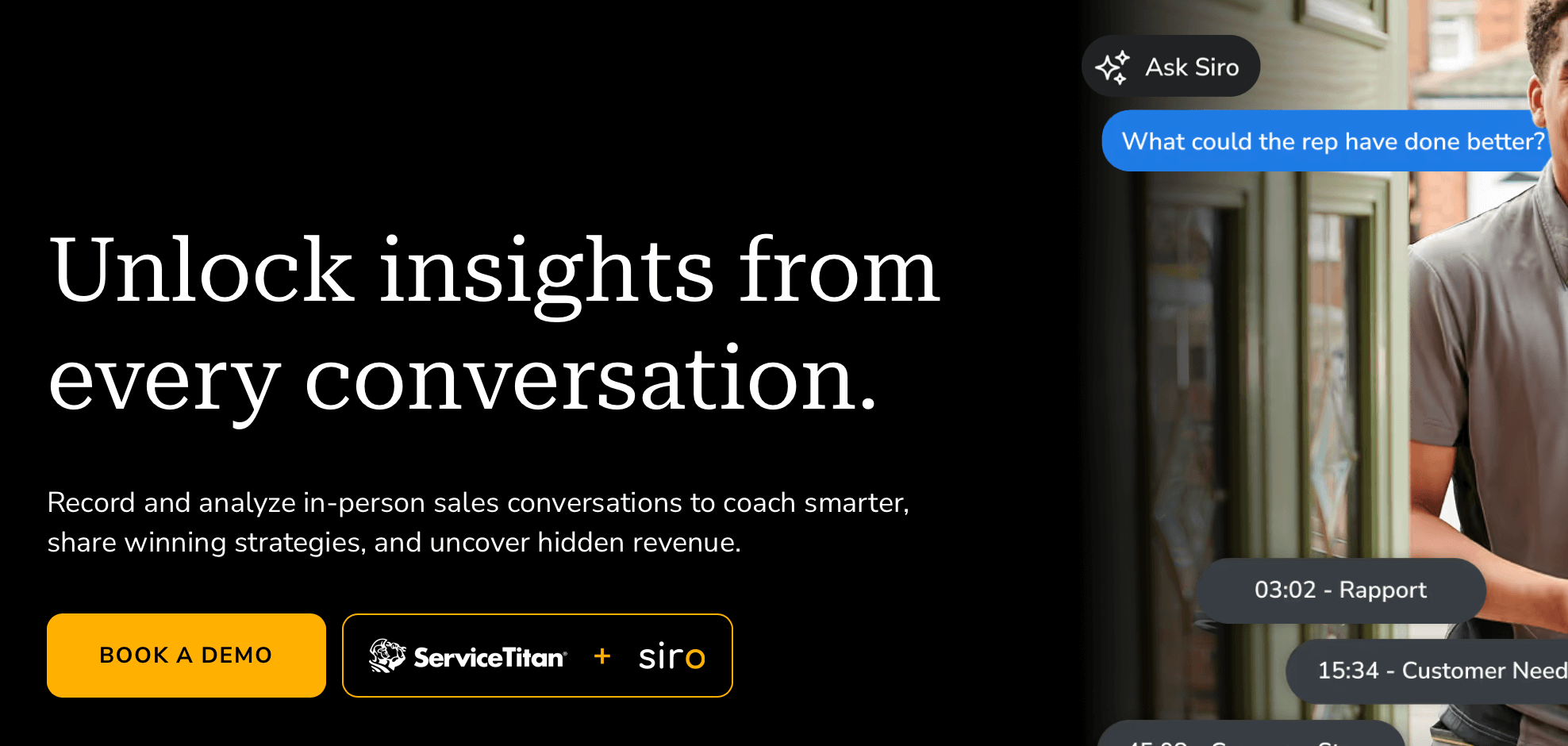
    Siro pulled in $50 million in May for an AI coach designed for people selling installation, repair, and maintenance services through face-to-face customer interactions. Salespeople record these offline conversations, then the AI coach analyzes them and provides advice on what needs improvement in such negotiations.

    Using Siro’s AI coach increases closed deals by 36% and reduces turnover of these types of salespeople by 30%, because they finally start earning decent money.

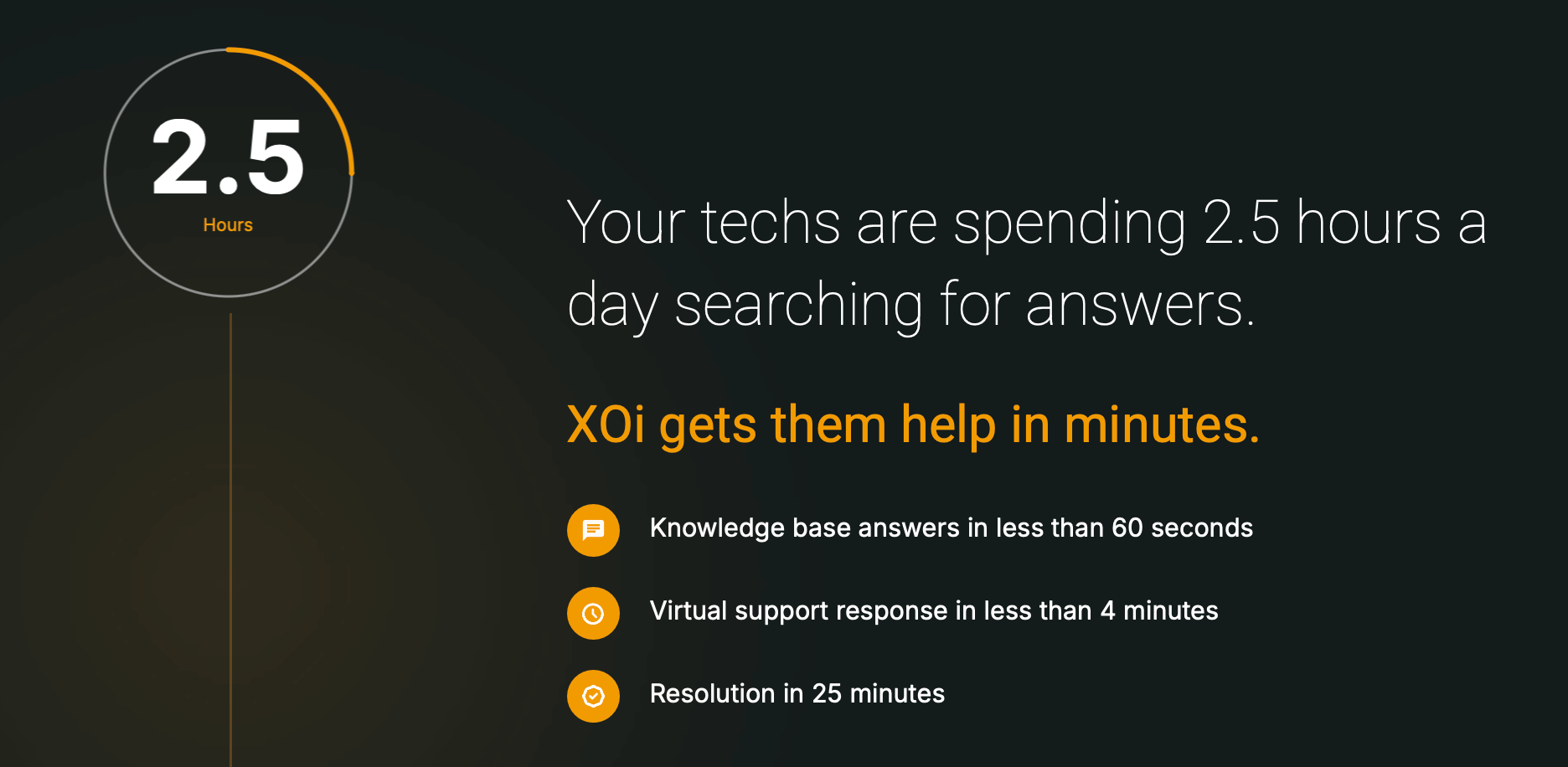
    XOi raised $230 million in February for an app helping equipment repair technicians. A technician can point their phone camera at a label attached to equipment, and XOi’s AI will provide the equipment type and model, possible causes of malfunction based on symptoms described by the technician, plus diagrams and step-by-step plans for finding and fixing the problem.

    Technicians typically spend 2.5 hours per day searching for this information independently. XOi gets them initial answers in 4 minutes and complete solutions in 25 minutes. The accurate answers XOi provides also reduce customer complaints about poor repairs and repeat visits by 40%.

    The Opportunity

    We live in the offline world. Most business still happens in physical spaces with real people doing actual work. But managing these businesses effectively has always been hard because gathering accurate, timely information about field operations is expensive and unreliable.

    AI is finally making it cheap and simple to collect high-quality data about offline activities. Voice recognition, computer vision, and mobile devices are mature enough to work reliably in real work environments.

    Minimist demonstrates this in an unexpected area—secondhand clothing stores. Their app lets shop owners photograph items customers bring in, and AI identifies the piece, adds it to inventory, and suggests pricing based on current market rates. All in under 2 minutes.

    The pattern is clear: find offline businesses where success depends on fast, accurate information gathering, then figure out how AI can make that collection process better, cheaper, and more reliable.

    Think about industries where workers spend significant time on documentation, reporting, or searching for information. Where delays happen because people don’t know the current status. Where decisions get made with incomplete data because getting complete data takes too long.

    Construction, repair services, maintenance, retail inventory, field sales, equipment servicing—these are massive industries that have barely been touched by modern technology.

    One important lesson from XOi: they originally tried using VR headsets for the same functionality, but special hardware proved too expensive and unreliable. When they switched to smartphone cameras, adoption took off. The infrastructure has to be simple and use tools people already have.

    Company Details:

    – Dexter: getdexter.co, $500K raised
    Buildots: $166M total funding
    Siro: $50M latest round
    XOi: $230M latest round